Rubbish removal advice for Carshalton estate clearances
Posted on 03/09/2026
If you are dealing with an estate clearance in Carshalton, the rubbish side of the job can feel like the bit that never quite ends. One cupboard becomes three. A loft turns into a small history lesson. And then there are the awkward items: broken furniture, old papers, garden cuttings, paint tins, mixed household waste, the lot. Good rubbish removal advice for Carshalton estate clearances helps you stay organised, avoid costly mistakes, and make calm decisions when everything else already feels a bit full-on.
This guide is written for people who need practical, grounded advice rather than vague tips. You will find a clear step-by-step process, common pitfalls, compliance considerations, useful comparisons, and a checklist you can actually use. We will also touch on how estate clearances differ from ordinary house clearances, why sorting matters, and where a professional rubbish removal service can save a surprising amount of time and stress.
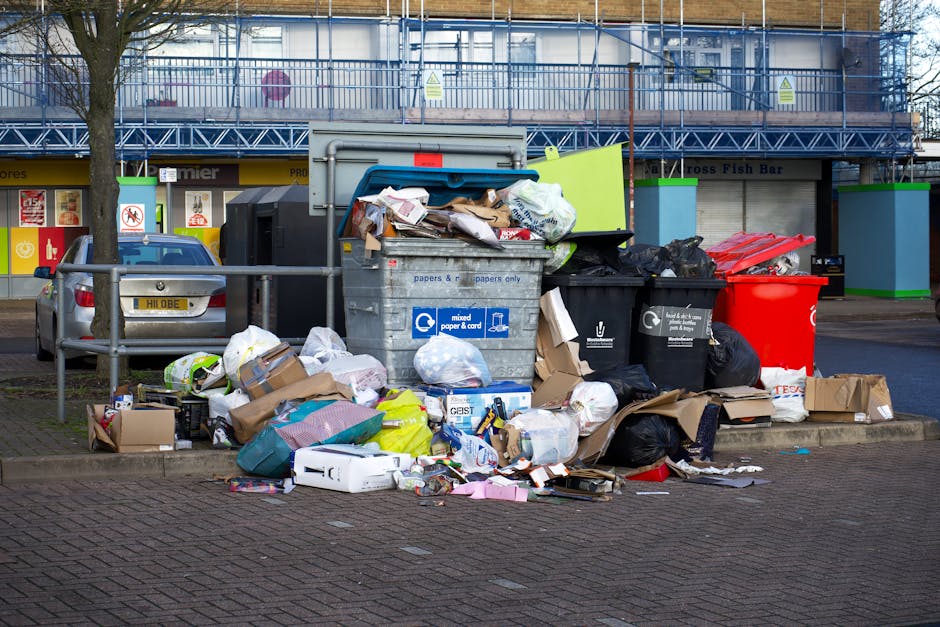
Why rubbish removal advice for Carshalton estate clearances matters
An estate clearance is rarely just a matter of removing items from a property. More often, it is a project involving family decisions, valuation questions, access problems, time pressure, and a fair amount of emotional baggage. That is why rubbish removal advice for Carshalton estate clearances matters so much: it helps you separate what should be kept, donated, recycled, sold, or removed, without creating more work than necessary.
In Carshalton, as in much of South London, properties can include narrow driveways, shared access, upstairs rooms, sheds, garages, and gardens that have quietly accumulated clutter over years. The practical challenge is not only lifting and loading. It is planning around access, parking, sorting materials properly, and making sure nothing important is thrown away by mistake. Sounds obvious, yet it is one of the easiest ways these jobs go sideways.
There is also the trust factor. When families are managing a bereavement, a move, or an inherited property, they need clarity. They do not need guesswork. They need a process that is respectful, efficient, and safe. If you are also looking at broader clearance support, the house clearance service in Sutton can be a useful point of comparison because estate clearances often overlap with whole-property clearances, just with more careful handling around belongings and paperwork.
One local reality worth remembering: estate clearances are rarely neatly staged. You may walk into a room and find furniture, old electronics, packaging, and documents all together. The right advice helps you avoid the classic mistake of treating everything as general rubbish. That approach usually costs more, takes longer, and increases the risk of disposing of items that could have been reused or recycled.
Expert summary: The best estate clearance is not the fastest one, and not always the cheapest one either. It is the one that protects valuable items, keeps disposal compliant, and leaves the property genuinely ready for the next step.
How rubbish removal advice for Carshalton estate clearances works
The practical process usually starts with a walkthrough. That may sound basic, but it matters. Before anyone lifts a box, you need to understand the size of the job, what is in the property, what can be reused, what needs special handling, and whether there are access constraints. A professional approach generally begins by separating the clearance into categories rather than trying to deal with everything in one frantic pass.
A sensible workflow often looks like this:
- Identify keep, donate, recycle, sell, and dispose piles. This prevents useful items from being mixed in with waste.
- Check for sensitive items. Documents, medication, personal data, photos, and legal papers need careful handling.
- Assess bulky waste. Wardrobes, sofas, mattresses, white goods, and broken furniture may need specific lifting or transport arrangements.
- Sort hazardous or awkward materials separately. Paint, chemicals, sharp items, and some electrical waste should not be thrown in with general rubbish.
- Plan loading and access. Think about stairs, parking, time slots, neighbours, and any shared entrances.
- Clear, sweep, and finish. The job is not really done until the property is left tidy and safe.
For many households, the biggest relief comes once the process has a rhythm. Boxes are labelled. Decisions are made room by room. The clutter stops feeling like one impossible mountain and starts looking like a series of manageable tasks. That shift matters more than people expect.
If you are comparing general waste removal with a more complete clearance, it may help to look at the broader waste removal support available in Sutton. That is especially useful when an estate includes mixed waste rather than a straightforward furniture-only clearance.
Key benefits and practical advantages
The value of good rubbish removal advice is partly financial, partly practical, and partly emotional. Here is where it pays off most.
- Better sorting means lower waste. Reusable items can be separated before disposal, which is usually the smarter route.
- Less risk of mistakes. Estate clearances often include things people forget about until the last minute. Advice helps you spot them early.
- Faster turnaround. When the sequence is clear, the work tends to move much more smoothly.
- Safer handling. Bulky loads, broken glass, and awkward stair carries are less risky when planned properly.
- Cleaner handover. This matters if the property is being sold, let, renovated, or handed back to an estate solicitor or agent.
- More humane process. Estate clearances can be emotional. A steady plan reduces the sense of chaos.
There is also a subtle benefit that people sometimes miss: good clearance planning helps the next person. If the property is going to market, a clean and well-presented space tends to show better. You can read more around local property-related thinking in the Sutton property market guide, which is a useful reminder that presentation often influences the next stage of a property journey.
And yes, a tidy clearance also makes the room smell less like a forgotten attic in February. Which, let's face it, is no bad thing.
Who this is for and when it makes sense
Estate clearance advice is relevant to anyone dealing with a property where contents need to be removed in a thoughtful, organised way. That includes family members, executors, landlords, solicitors, agents, and sometimes neighbours or friends helping out with the practical side.
It is especially useful when:
- the property contains a full household of mixed items
- there are sentimental belongings that need separating first
- you are not sure what can be recycled or donated
- the clearance must happen before sale, refurbishment, or probate-related steps
- you need the property cleared quickly but safely
- there are access issues, parking limits, or shared entrances
In some cases, the job is straightforward. A small flat with a few rooms of furniture can be handled in a half-day or day-long visit. In other cases, the property may have a garage, loft, garden waste, old paperwork, broken appliances, and decades of accumulated belongings. That is where a more careful plan pays dividends.
If the clearance includes outdoor clutter, green waste, or shed contents, the garden waste removal service can be a sensible supporting option. Estate properties often have both indoor and outdoor waste, and splitting the job by material can make the whole thing easier to control.
Step-by-step guidance
Here is a practical process that works well for many Carshalton estate clearances. It is simple, but not simplistic. The order matters.
1. Walk the property before moving anything
Start with a full walkthrough. Open the loft hatch only if it is safe to do so. Check cupboards, under beds, utility rooms, sheds, and outbuildings. You are looking for anything that needs to be kept aside before general clearance begins. Take notes. Photos help too, especially if several people need to agree on the plan.
2. Separate the sensitive items first
Set aside documents, passports, bank letters, photographs, jewellery, keys, medication, and personal effects. Even if you think the property is "mostly cleared", it is surprising how often important things are left in envelopes, drawers, or small tins. A tea tin full of old receipts is not exactly rare, is it?
3. Divide items into practical categories
Use simple categories rather than overcomplicating it:
- Keep - items with personal, legal, or sentimental value
- Sell - valuable pieces worth photographing and pricing
- Donate - reusable furniture and household items in decent condition
- Recycle - materials and items that can be processed properly
- Dispose - broken, contaminated, or non-reusable waste
This is the stage where you may need to make a few hard decisions. That is normal. Estate clearances are part logistics, part judgement call.
4. Identify heavy or awkward items early
Mattresses, wardrobes, sofas, white goods, mirrors, filing cabinets, and heavy boxes can change the whole job. If you know these are there in advance, the removal team can plan the right equipment, workforce, and loading sequence. If you leave them until the end, the job becomes slower and, frankly, a bit irritating.
5. Plan access and parking
Check where vehicles can stop, whether there are steps or narrow hallways, and whether neighbours need warning about the time window. In Carshalton, access can be very straightforward in some streets and a little fiddly in others. The right plan avoids delays and reduces the risk of damage to walls, flooring, or bannisters.
6. Clear in phases, not one frantic sweep
It usually works better to clear one room at a time. That gives you a better sense of progress and reduces the chance of accidental disposal. An organised room-by-room approach also helps if different people are responsible for different parts of the property.
7. Finish with a final check
Before the property is handed over, walk through again. Check cupboards, loft access points, sheds, under sinks, and window ledges. The final 5% of a clearance often contains the items that cause the most annoyance if missed.
Expert tips for better results
These are the small habits that make a real difference. Nothing flashy. Just the sort of practical detail that saves time and reduces stress.
- Use labels, even if they seem unnecessary. "Keep", "donate", and "waste" on boxes or sticky notes prevents second-guessing later.
- Take photos before clearing rooms. Helpful for record-keeping and useful if several family members need to review items remotely.
- Keep one safe zone. Designate a table or room corner for important items that must not be touched.
- Don't mix liquids with dry waste. It creates mess and can make recycling impossible.
- Check upstairs first. Many estate clearances hide surprises in bedrooms and loft spaces rather than in the main living areas.
- Ask about disposal routes. Reuse and recycling are often preferable where feasible. It is not just tidier; it is usually the more responsible choice too.
If you want a more complete view of how a structured clearance business operates, the services overview is useful for seeing how estate clearances fit alongside other removal work. That broader picture can help if your project includes multiple property tasks.
Small but important tip: do not wait until the end of the day to decide what happens to paperwork. Decide early. Piles of old letters have a magical way of multiplying when nobody is looking.
Common mistakes to avoid
Most estate clearance problems are preventable. The challenge is that they often feel minor at first. Then they snowball.
- Throwing everything into one pile. This makes sorting harder and increases the chance of losing important items.
- Ignoring access issues. A tight staircase or awkward parking bay can add real time if nobody plans for it.
- Assuming everything is rubbish. Many households contain reusable furniture, saleable items, or documents that matter.
- Forgetting about special waste. Paint, chemicals, batteries, and some electronics need more care than ordinary household waste.
- Leaving the job too late. Estate work tends to take longer than expected. It always does, more or less.
- Not documenting what is kept. When several family members are involved, confusion can creep in quickly.
There is also a more emotional mistake: trying to do everything in one emotionally heavy visit. Sometimes that is unavoidable, but when possible, it helps to divide the job into smaller sessions. People make better decisions when they are not tired, cold, and staring at a room full of mixed belongings at 6.30 p.m.
Tools, resources and recommendations
You do not need a lot of specialist kit for a standard estate clearance, but a few simple tools help enormously.
| Tool or resource | Why it helps | Best use |
|---|---|---|
| Strong sacks and boxes | Reduces breakage and keeps sorting clear | Smaller items, paperwork, mixed household contents |
| Labels or marker pens | Makes categories easy to track | Room-by-room sorting |
| Gloves and sturdy footwear | Improves safety for sharp edges and heavy lifting | Any clearance involving lofts, sheds, or broken items |
| Camera or phone photos | Helps record what was in each room | Estate administration, family review, and planning |
| Checklist sheet | Keeps decisions visible | Shared clearances with several people involved |
For readers who want a practical, local context on what residents tend to look for in Sutton-based services, the SM1 quick guide for residents is a relevant companion read. It is especially handy if you are comparing clearance needs across different parts of the area.
You may also find the company's approach to recycling and sustainability useful if you want as much as possible diverted away from general disposal. That is often a sensible priority in estate work, especially when there are reusable items in decent condition.
Law, compliance, standards, and best practice
Estate clearance and rubbish removal need to be handled carefully, even when the job looks straightforward. In the UK, the basic expectation is that waste is managed responsibly, transferred to an authorised party, and dealt with in a way that does not create environmental or safety problems. You do not need to memorise legislation to make a good decision, but you do need to ask sensible questions.
Here are the practical compliance points people should keep in mind:
- Duty of care matters. Anyone arranging waste removal should be satisfied that it will be handled properly.
- Some items need special handling. Electrical waste, sharp objects, chemicals, and certain household materials should not be bundled into general waste without thought.
- Documentation can matter. For commercial or larger clearances, records and confirmation of disposal may be useful.
- Insurance and safety are not optional extras. Lifting, loading, and access work can involve avoidable risks if corners are cut.
That is why choosing a service that takes insurance and safety seriously is more than just a nice-to-have. It matters for property damage, worker safety, and peace of mind. Truth be told, nobody wants a clearance to end with a cracked bannister and a headache.
If the property includes building debris from renovation or repair work, it may help to look at the dedicated builders waste disposal service in Sutton. Estate clearances and building waste are different streams, and mixing them can create complications. Better to keep them separate where possible.
The best practice approach is simple: ask what will happen to each waste type, keep a record of anything sensitive, and use a provider that treats disposal as a process rather than a dump-and-go job.
Options, methods, and comparison table
Not every estate clearance needs the same method. The right option depends on urgency, volume, access, and how much sorting the family wants to do in advance. Here is a straightforward comparison.
| Method | Best for | Pros | Limitations |
|---|---|---|---|
| Self-clearance | Small jobs with light, manageable items | Full control, flexible timing | Time-consuming, physically demanding, disposal can get complicated |
| Mixed family-and-service approach | Clearances where some items are kept or sold | Balanced control and efficiency | Needs coordination and clear labelling |
| Professional estate clearance | Full or high-volume clearances | Fast, organised, safer for bulky waste | Usually the higher upfront cost, though often better value overall |
| Phased clearance | Emotional cases or properties with many valuables | More control, less pressure, easier decision-making | Takes longer and may require repeat visits |
For many Carshalton households, a phased clearance is the sweet spot. It lets you deal with documents and valuables first, then move into the larger furniture and general waste. That slower rhythm can be much kinder when the property has family history attached to it.
Case study or real-world example
Picture a typical Carshalton semi with a loft, two bedrooms, a front room, kitchen, and a garden shed that has not been opened properly in years. The family arrives on a Saturday morning with a cup of tea in hand and a not-very-enthusiastic plan to "just get it done". Within twenty minutes, they find paperwork in a cupboard, spare bedding in the airing cupboard, old tools in the shed, and a stack of mixed items in the hallway that nobody seems to remember buying.
The turning point is when they stop treating the whole property as one giant task. They create one box for keep items, one for documents, one for recyclable household waste, and one for items to remove. They also decide that the loft is too awkward to clear without help, so they leave it until later and bring in support for the heavier loads. By the end of the day, the rooms are noticeably clearer, the important things are safe, and the family has not spent the afternoon arguing over a lamp shade.
That kind of result is very normal when the process is structured. It is not glamorous. It is just effective.
To prepare for this kind of job, the your rubbish removal needs page can help you think through the type of support that best matches the property and the volume of waste. It is a practical way to narrow down what you actually need rather than guessing.
Practical checklist
Use this before the clearance starts. It keeps the job honest.
- Have I identified all items to keep, donate, recycle, sell, or dispose of?
- Have I set aside paperwork, keys, jewellery, medication, and other sensitive items?
- Do I know which rooms, lofts, sheds, and cupboards still need checking?
- Have I noted bulky items such as sofas, wardrobes, mattresses, and appliances?
- Is access clear for lifting and loading?
- Have I considered parking and neighbour impact?
- Are there any garden or outdoor waste items to include?
- Are there any hazardous or awkward materials that need separate handling?
- Do I need photos or notes for family members, executors, or agents?
- Have I planned a final walk-through before handover?
Quick takeaway: the more you sort before the removal team arrives, the smoother the whole estate clearance becomes. Not perfect, just smoother. And smoother is what most people need.
Get a free quote today and see how much you can save.
Conclusion
Rubbish removal advice for Carshalton estate clearances is really about making a difficult task more manageable. When you break the work into clear stages, protect sensitive items, plan access properly, and choose the right waste handling route, the whole process becomes less stressful and far more controlled.
That is the aim, after all. Not to make an emotional job feel trivial, because it is not. But to make it orderly, safe, and respectful. Whether you are clearing a family home, preparing a property for sale, or sorting a long-overdue estate, a calm plan will always beat a rushed one. Every time.
And once the last box is gone and the rooms finally breathe again, you will notice something simple but powerful: the property feels ready for its next chapter.


From a young age, Blair has cultivated a passion for order, which has now matured into a prosperous profession as a waste removal specialist. She derives satisfaction from transforming disorderly spaces into practical ones, aiding clients in conquering the burden of clutter.
 Tipper Van - Junk Disposal and Rubbish Clearance Prices in Sutton, SM1
 Luton Van - Junk Disposal and Rubbish Clearance Prices in Sutton, SM1