Garden rubbish removal near Nonsuch Park Sutton rules guide
Posted on 13/10/2026
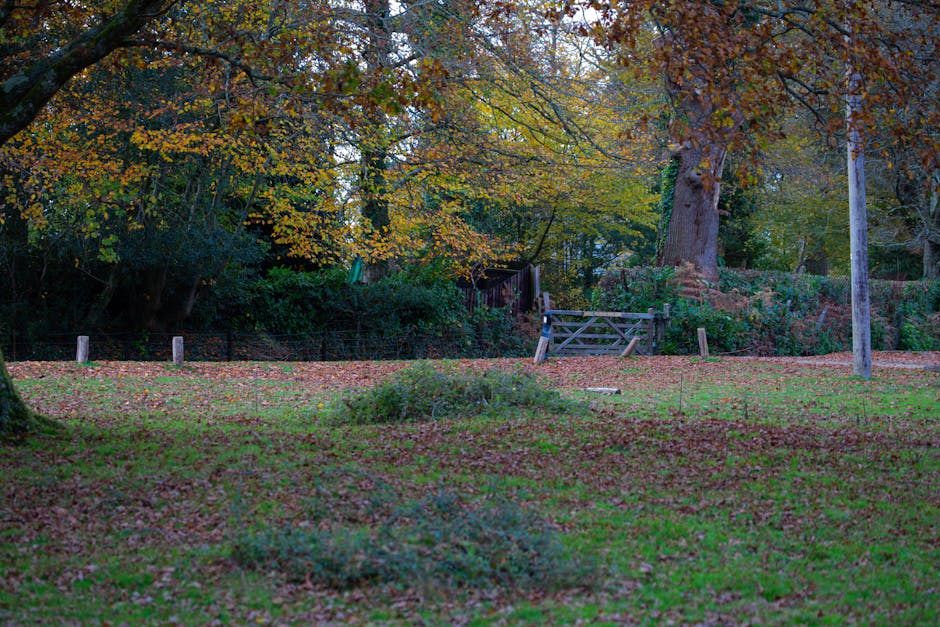
If you live near Nonsuch Park and your garden has turned into a small mountain of hedge cuttings, lawn clippings, old soil, and a few broken plant pots, you are probably looking for a clear way to get it shifted without making a mess of the pavement or breaking local rules. That is exactly what this Garden rubbish removal near Nonsuch Park Sutton rules guide is for. It explains what counts as garden waste, how removal usually works in Sutton, what to watch out for near a protected park area, and how to choose a sensible, lawful option that saves you time and stress.
There is a proper way to handle garden rubbish. And, to be fair, there is also the quick-and-sloppy way that can lead to fly-tipping issues, awkward neighbour complaints, or a pile of bags sitting outside too long. Let's keep it practical. You will find step-by-step guidance, useful comparisons, a checklist, and answers to the questions people actually ask when they want garden waste gone, fast but properly.
- Why the rules matter near Nonsuch Park
- How garden rubbish removal works
- Key benefits and practical advantages
- Who needs this service and when it makes sense
- Step-by-step guidance
- Expert tips for better results
- Common mistakes to avoid
- Tools, resources and recommendations
- Law, compliance, standards, or best practice
- Options and comparison table
- Real-world example
- Practical checklist
- Conclusion
- Frequently asked questions
Why Garden rubbish removal near Nonsuch Park Sutton rules guide Matters
Nonsuch Park is one of those places that makes the surrounding streets feel greener, calmer, and a bit more looked after. That is part of the appeal of living nearby. But it also means people tend to notice mess faster. A few untidy sacks of hedge trimmings or a trailer-load of branches left in the wrong place can stand out more than you expect, especially on a quiet residential road.
Garden waste is not the same as household rubbish. It can be bulky, muddy, sharp, spiky, wet, or heavy. Old turf, roots, and soil are especially awkward. If you mix it with normal domestic waste, collection options may change and disposal costs can rise. If you leave it out at the wrong time, it may not be collected at all. And if it ends up dumped somewhere unsuitable, the responsibility can come back to you. That is the part many people do not think about until they have a problem.
Near a park setting, there is also a social side to consider. Busy footpaths, narrow drives, parked cars, and shared access all affect how safely waste can be loaded. Truth be told, garden clearance is often more about logistics than people expect. Where will the van stop? Can bags be carried without blocking a gate? Is there wet soil that will drag across paving? Small details, yes. But they matter.
This guide matters because it helps you avoid the usual headaches:
- missed collections because waste is not presented correctly
- oversized piles that create trip hazards or nuisance
- confusion over what can go in a garden waste load
- unnecessary extra trips because bags were not sorted properly
- the risk of using an unlicensed or careless disposer
If you want the job done cleanly and with fewer surprises, understanding the rules first is the smart move. Not glamorous, I know. But it saves a lot of faff.
How Garden rubbish removal near Nonsuch Park Sutton rules guide Works
At a practical level, garden rubbish removal usually follows a simple pattern: sort the waste, separate anything that cannot be mixed in, arrange collection or drop-off, and make sure the load is taken to the right facility. The exact process depends on the type and volume of waste, access at the property, and whether you are handling the job yourself or using a professional service.
In Sutton, garden waste removal generally falls into one of three approaches:
- Regular garden waste service or municipal-style collection for lighter, recurring green waste.
- Man and van style clearance for bigger one-off jobs, such as hedge reductions or post-storm tidy-ups.
- DIY transport to an approved site, where allowed and practical.
Each option has pros and cons. A small pruning job might be easy to bag up and move. A full back-garden cutback after a wet weekend? That is a different story. The damp branches will smell earthy, the bags will weigh more than they look, and one broken bin sack can turn the whole driveway into a slippery nuisance.
If you hire a clearance service, ask what they actually take. Some providers focus on green waste only, while others can also remove mixed garden debris such as old fencing, broken trellises, or soil-heavy loads. For wider household or property clearance needs, it can help to look at broader services too, such as rubbish clearance in Sutton or the more specialised garden waste removal in Sutton service.
What happens on the day usually looks like this:
- the waste is assessed and loaded safely
- bags, branches, cuttings, and loose material are kept separate where needed
- the team checks access and protects floors or driveways if necessary
- the load is removed for recycling, composting, or lawful disposal
The good providers are boring in a good way. They turn up, load efficiently, leave the space tidy, and do not make you wonder where your waste has gone. That calm, predictable service is what most people really want.
Key Benefits and Practical Advantages
People usually book garden rubbish removal because they want the obvious thing: the mess gone. But the real advantages go a bit further than that. A proper service can save time, improve safety, and make the whole property feel more in order. You will notice the difference straight away, especially after a heavy pruning job or a full seasonal clear-up.
Here are the main benefits:
- Less physical strain - shifting sacks of wet grass or thorny clippings is harder than it looks.
- Cleaner outdoor spaces - no lingering piles beside the fence or by the side gate.
- Better compliance - the waste is handled in line with expected local and environmental standards.
- More room to garden again - once the clutter clears, it is much easier to see what needs doing next.
- Reduced nuisance - fewer smells, fewer pests, fewer awkward conversations with neighbours.
There is also a hidden benefit: decisions get easier once the space is clear. A garden that looks half-finished can keep you stuck. A cleared one helps you see whether you need new planting, a better compost area, or maybe just a tidy reset. Funny how that works.
For households juggling bigger clear-ups, it can also be helpful to compare the garden job with other waste removal needs. If your project spills into a shed, garage, or spare room, a broader house clearance in Sutton or office clearance in Sutton approach may be more efficient than booking separate visits.
Who This Is For and When It Makes Sense
Garden rubbish removal is not just for big properties or people with overgrown plots. It suits a wide range of everyday situations, especially in and around Sutton where many homes have compact gardens, shared side access, or limited storage for waste bags.
This service makes sense if you are:
- cutting back hedges after a seasonal grow-out
- clearing storm debris after windy weather
- reworking a garden before selling or letting a property
- dealing with a one-off landscaping project
- removing old turf, roots, plant pots, and broken edging
- tidying a neglected outdoor space that has got away from you
It also suits landlords and property managers who need a garden presentable before viewings. Near a place like Nonsuch Park, that kind of presentation matters more than people admit. Buyers and tenants tend to notice the garden first, even if they say the kitchen sold them on the house. It all counts.
If you are a DIY gardener, you might only need this once or twice a year. If you manage multiple properties or do regular upkeep, you may benefit from a repeatable removal routine. Either way, the key is to match the method to the volume. A few bags of clippings? Simple. A bramble tangle, soil, and a broken fence panel? That needs a more robust plan.
Step-by-Step Guidance
Here is the simplest way to handle garden rubbish removal without making the job harder than it needs to be.
- Separate the waste early. Keep green waste, soil, timber, plastics, and general rubbish apart if possible. It saves time later.
- Check what is actually being removed. Loose grass and leaves are easy. Heavy roots, old compost, and rubble are different beasts.
- Choose your removal method. Decide whether you are using council-style arrangements, a private collection, or a mixed waste clearance option.
- Measure the access. Narrow side gates, steps, or low branches can slow things down more than the waste itself.
- Bag or bundle the load sensibly. Do not overfill bags. Wet green waste gets heavy fast. Very fast.
- Keep the route clear. Move toys, bikes, hoses, and flowerpots out of the way before collection day.
- Confirm the disposal route. A responsible provider should be able to explain where the material is going in broad terms, even if they do not list every stop.
- Inspect the area afterwards. Check for stray twigs, mud, nails, or sharp offcuts before calling the job finished.
A small tip that helps: if you are tackling a large garden, pile waste near the easiest exit route as you go, not at the end. It sounds obvious, but it stops the back-and-forth that makes people grumpy by tea-time.
For bigger mixed loads, it can also be useful to combine your garden cleanup with an overall waste plan. The broader waste removal in Sutton page is useful context if your project is not purely green waste.
Expert Tips for Better Results
In our experience, the best garden clearance jobs are not the ones with the fanciest equipment. They are the ones where the prep is done well. A little planning makes a big difference, especially on wet days when everything weighs more and moves less gracefully.
- Cut waste down before bagging. Long branches and tangled stems fill space inefficiently and are awkward to stack.
- Keep soil out of green waste if you can. Soil is heavy, and many removal options treat it differently.
- Watch for hidden debris. Old wire, broken glass, plant supports, and stones can hide in overgrown beds.
- Use reusable containers for moving waste internally. They are often easier than flimsy bags when you are shifting cuttings across a patio.
- Time the removal for dry weather if possible. Dry waste is lighter and cleaner to handle. Simple, but effective.
If you have pets or children, think about safety while the pile is waiting to go. Thorny trimmings, rusty metal, and unstable stacks are all avoidable hazards. A small buffer zone around the waste area is enough in most gardens.
And if you are comparing providers, ask a direct question: what happens if the load contains a bit more mixed material than expected? A good operator will answer clearly. The vague ones tend to become very busy all of a sudden. Funny how that works too.
Common Mistakes to Avoid
Most problems with garden rubbish removal are not dramatic. They are the sort of irritating little things that build up because the job was rushed. Here are the ones that crop up most often.
- Mixing everything together. Green waste, rubble, plastic pots, and household rubbish are not all treated the same.
- Underestimating weight. A few bags of damp grass can be far heavier than expected.
- Leaving waste on the kerb too early. That can create clutter, complaints, or collection issues.
- Ignoring access problems. A narrow gate or steep drive can slow the whole job down.
- Choosing a provider without checking credibility. If someone cannot explain disposal properly, that is a warning sign.
- Forgetting sharp items. Broken terracotta, pruning saws, and wire can cause injury if not separated.
One subtle mistake is assuming all garden waste is harmless because it is "natural". Not quite. Green waste still needs proper handling, and some parts of it can be surprisingly problematic once they are mixed or contaminated. A bit of soil here, a plastic tie there, and suddenly the load is more complicated than you thought.
If the garden has been neglected for a while, start with a quick visual sweep before you touch anything. It takes two minutes and avoids a lot of swearing later.
Tools, Resources and Recommendations
You do not need a shed full of specialist kit to manage garden rubbish well. Most of the job is about sensible organisation. Still, a few tools and resources make the process smoother.
| Tool or resource | Why it helps | Best used for |
|---|---|---|
| Strong garden waste bags | Safer than overfilled supermarket bags | Leaves, grass, light cuttings |
| Wheelbarrow or garden trug | Speeds up movement across the garden | Repeated trips from border to collection point |
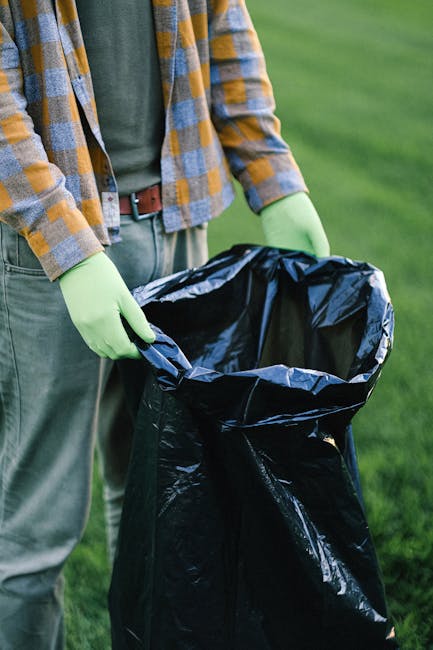
| Gloves and stout footwear | Protects hands and feet from thorns or debris | Pruning, clearing, and lifting |
| Secateurs or loppers | Makes bulky waste easier to stack | Branches, stems, hedge clippings |
| Recycling and sustainability guidance | Helps you separate what can be reused or recycled | Greener disposal decisions |
If you are aiming for a lower-waste approach, it is worth understanding the difference between compostable green matter and material that must be disposed of elsewhere. The recycling and sustainability page is useful if you want to think a step ahead rather than just tip everything into bags and hope for the best.
For general company information and service context, the services overview and about us pages can help you judge whether a provider feels like the sort of team you would want on your drive. Small thing, but it matters.
Law, Compliance, Standards, or Best Practice
This is the part many people skip until something goes wrong. Garden rubbish removal is not just a matter of chucking things in a bag and waving goodbye. You should think about lawful disposal, duty of care, safety, and whether the material is going to an appropriate place.
In plain English, the safest approach is:
- do not dump waste in an unsuitable area
- do not assume a cheap offer means lawful disposal
- keep records or receipts where they are provided
- make sure waste is transferred to a responsible handler
- separate anything hazardous, sharp, or unusually heavy
Garden waste can include more than cut grass. Old timber, soil, broken patio slabs, and treated materials may need different handling. If there is any doubt, ask before the collection. That is normal. A decent provider expects those questions.
Insurance and safe working practice also matter, especially if removal involves steps, narrow paths, or lifting through side access. A service that takes care over loading and access is usually a better sign than one that simply promises to be cheap and fast. Cheap and fast can be fine. Cheap, fast, and careless? Not so much.
For extra reassurance, it is worth reviewing a provider's approach to safety and cover. The insurance and safety page is a good place to understand how responsible collection work should be handled.
Options, Methods, or Comparison Table
If you are deciding how to deal with garden rubbish near Nonsuch Park, the best option depends on volume, urgency, and the mix of materials. Here is a practical comparison.
| Method | Best for | Pros | Trade-offs |
|---|---|---|---|
| Bag and wait for standard green waste collection | Small, regular pruning jobs | Simple, routine, often convenient | Not ideal for bulky or mixed waste |
| Private garden clearance service | Large one-off clear-outs | Fast, flexible, handles heavy loads | Usually costs more than DIY handling |
| DIY transport to an approved disposal site | Those with suitable vehicle access and time | Can be cost-effective if managed well | Labour, fuel, loading, and disposal rules are on you |
| Mixed waste clearance | Garden waste plus old items or minor outdoor junk | Good for all-in-one clear-ups | May need more sorting and may cost more than green-only loads |
As a rule of thumb, the more mixed and awkward the waste, the more sense a professional clearance makes. If it is just a few bags of hedge trimmings, DIY might be perfectly reasonable. If it is a post-renovation garden mess with roots, timber, old planters, and a broken shed panel, a specialist route is often easier and cleaner.
For projects that overlap with building work, you may also want to compare the needs of garden waste with builders waste disposal in Sutton. The overlap is bigger than people expect, especially after landscaping or patio changes.
Case Study or Real-World Example
A typical scenario near Nonsuch Park goes like this. A homeowner does a full hedge trim in late spring. The garden suddenly produces far more waste than expected: dense clippings, long branches, a pile of moss from the lawn edge, and a few broken terracotta pots discovered behind a shrub. The first instinct is often to put everything into whatever bags are to hand. Then the bags become heavy, one splits, the driveway gets muddy, and the whole afternoon starts to feel longer than it should.
A better approach is simple. The light green waste goes into strong bags. The thicker branches are cut down first. Broken pots and any old timber are set aside. The removal is then arranged as a single load, with the waste grouped neatly close to the gate. The collection is quicker, the area stays safer, and the garden is ready for replanting by the next morning. You almost forget the hassle, almost.
That kind of job is common enough that it is worth planning ahead, especially if you are close to shared access, parked cars, or a narrow pavement. The difference between a messy and a smooth clearance is often just a few minutes of preparation.
Another real-world lesson: if the garden has hidden junk in it, such as old wire, plastic edging, or leftover DIY debris from years ago, say so early. It prevents delay and keeps the quote honest. Nobody likes surprise material halfway through a clearance, not the customer and not the crew either.
Practical Checklist
Before you arrange garden rubbish removal, run through this checklist. It keeps the job organised and helps avoid awkward surprises on the day.
- Have I separated green waste from mixed rubbish?
- Are there any sharp, heavy, or awkward items hidden in the pile?
- Do I know whether soil, turf, roots, or rubble are included?
- Is access clear through the side gate, driveway, or front path?
- Have I checked whether any waste needs special handling?
- Are bags or bundles strong enough for wet material?
- Do I know roughly how much waste there is?
- Have I moved anything that could get damaged during loading?
- Is there a sensible place for the pile to wait before collection?
- Have I confirmed the collection time and any loading notes?
If you can tick most of those off, the job is likely to go much more smoothly. Not perfect, maybe. But good enough to keep the stress down, which is usually the real goal.
For readers comparing related services, the broader rubbish removal needs page can help you think through whether the garden job is part of a larger household clearance plan.
Get a free quote today and see how much you can save.
Conclusion
Garden rubbish removal near Nonsuch Park Sutton is not complicated once you understand the basics, but the details do matter. Sort the waste properly, respect access and safety, choose a lawful disposal route, and think about whether your load is green waste only or something broader. That is the difference between a tidy, efficient job and one that drags on for no good reason.
If you are handling a small seasonal cut-back, you may only need a light-touch solution. If the garden has become heavy, mixed, or awkward, a more organised clearance is usually worth it. Either way, the aim is the same: a clear space, a calmer home, and one less thing hanging over your weekend.
And honestly, once the last bag is gone and the garden looks open again, it feels surprisingly good. Fresh air, a clean path, a bit of order. Simple pleasures, really.

From a young age, Blair has cultivated a passion for order, which has now matured into a prosperous profession as a waste removal specialist. She derives satisfaction from transforming disorderly spaces into practical ones, aiding clients in conquering the burden of clutter.
 Tipper Van - Junk Disposal and Rubbish Clearance Prices in Sutton, SM1
 Luton Van - Junk Disposal and Rubbish Clearance Prices in Sutton, SM1